
 + 86 18721624519

Not Grabbing Orders with Low Prices: Energy Storage Going Global Competes on “Real Kung Fu” — Observations from Phase 1 of the 140th Canton Fair
On October 19, the first phase of the 140th China Import and Export Fair (Canton Fair) closed in Guangzhou. Over the 5 days, a total of 189,000 overseas buyers from 214 countries and regions attended, an increase of 13.3% over the same period of the previous session (according to a Guangzhou Daily report). For exhibitors, this set of figures shows popularity; what really determined the harvest was the purchasing logic changing in the exhibition halls — the questions buyers brought had already changed from “how much per set” to “how long until payback”.
What is more worth looking at than the total is the structure. This Canton Fair held more than 700 new product launch events, with the number of debuts up 15%, and for the first time set up a new product debut display area; among the more than 30,000 exhibitors, high-quality enterprises such as specialized, refined, distinctive and innovative (SRDI) firms and single-item champions exceeded 11,000, and 36.5% of exhibitors are implementing a “product + service” model transformation. Green and smart are replacing pure price to become the real passport in the exhibition halls.
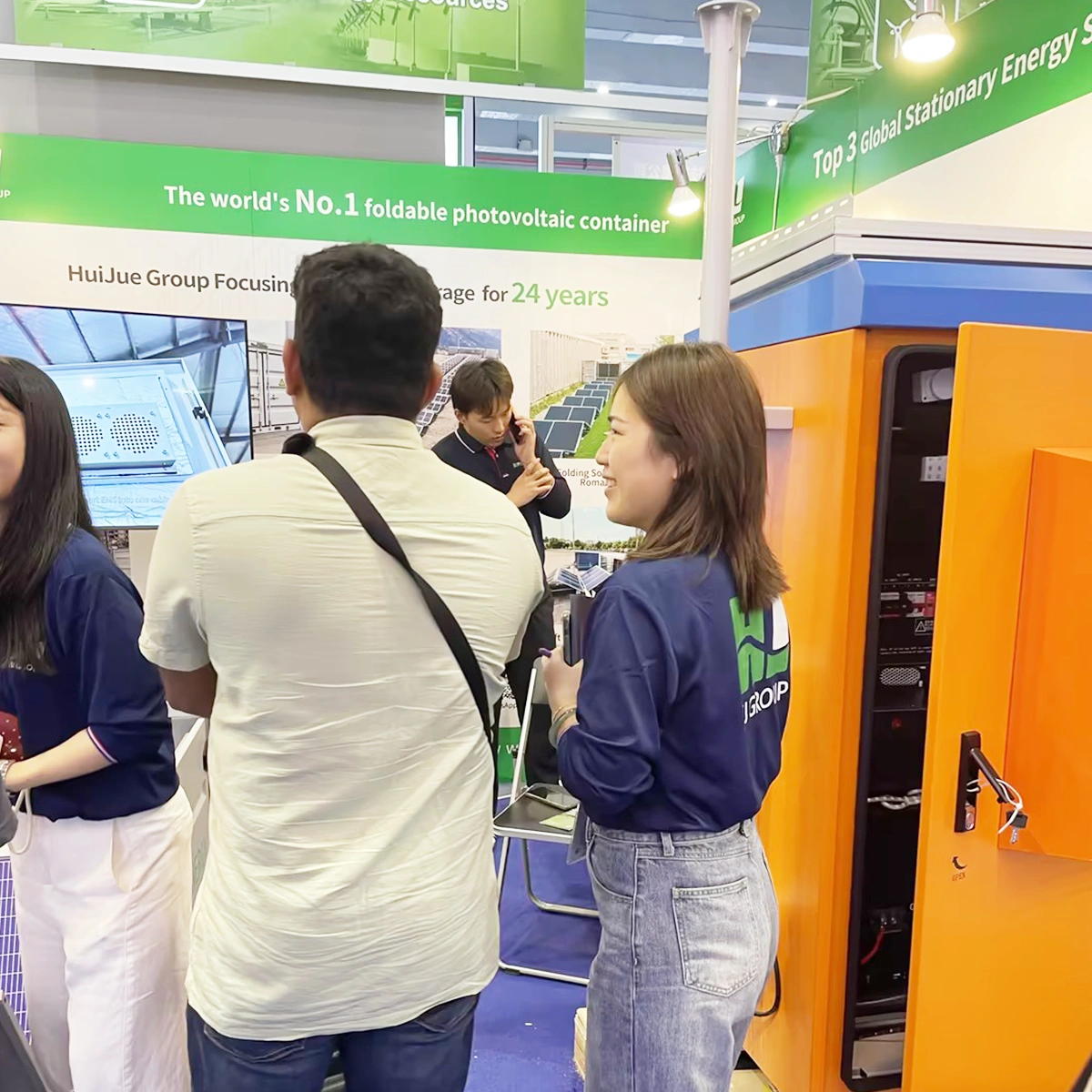
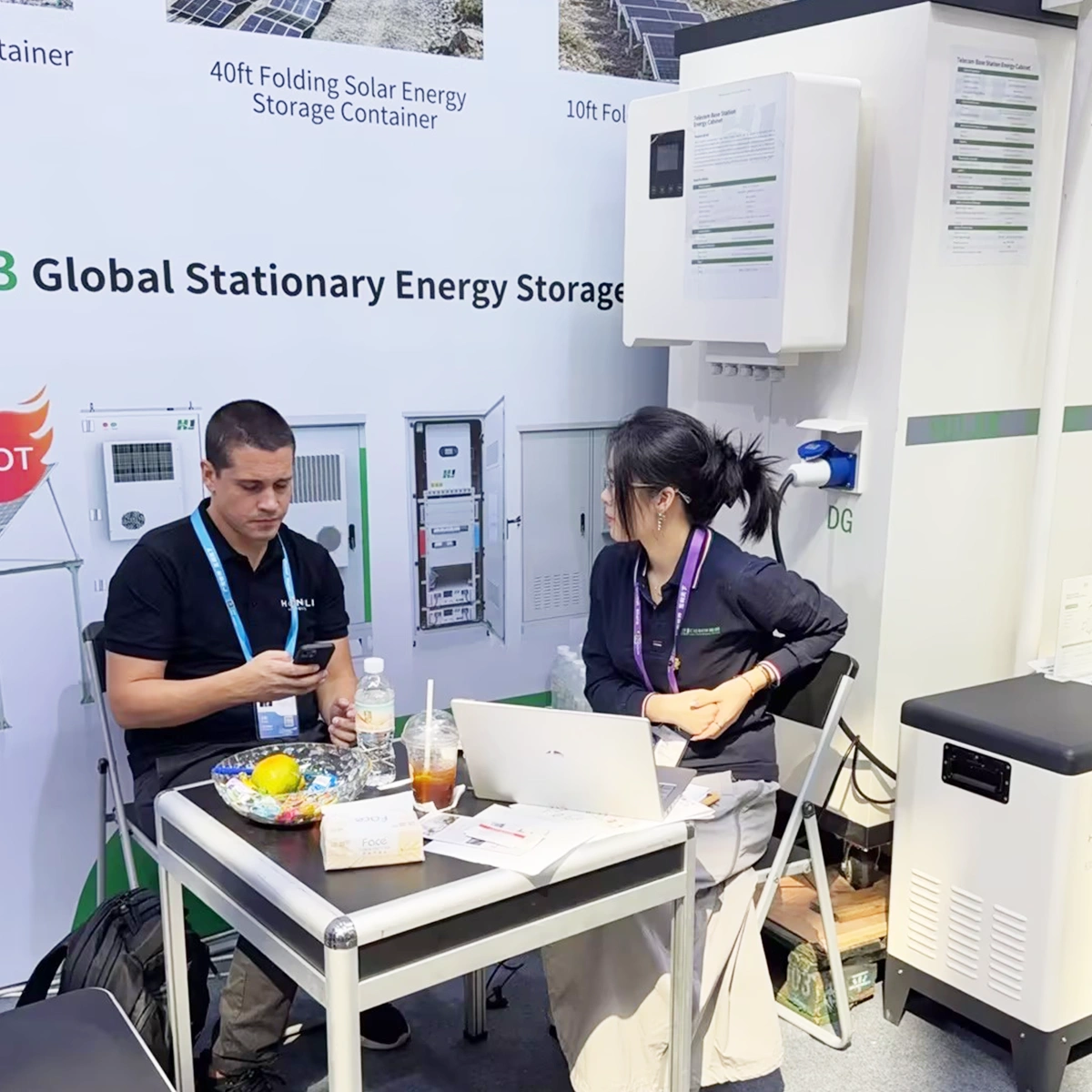
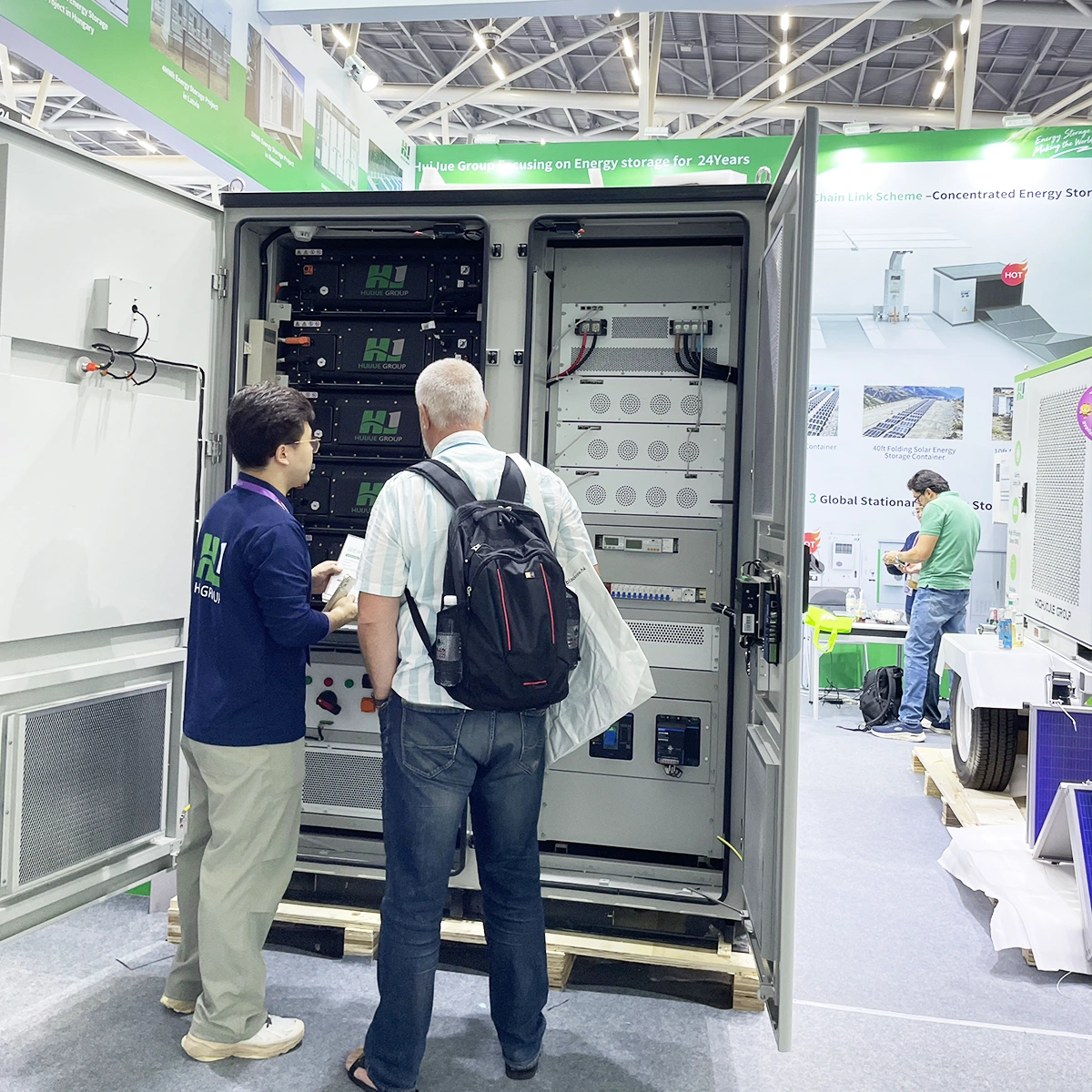
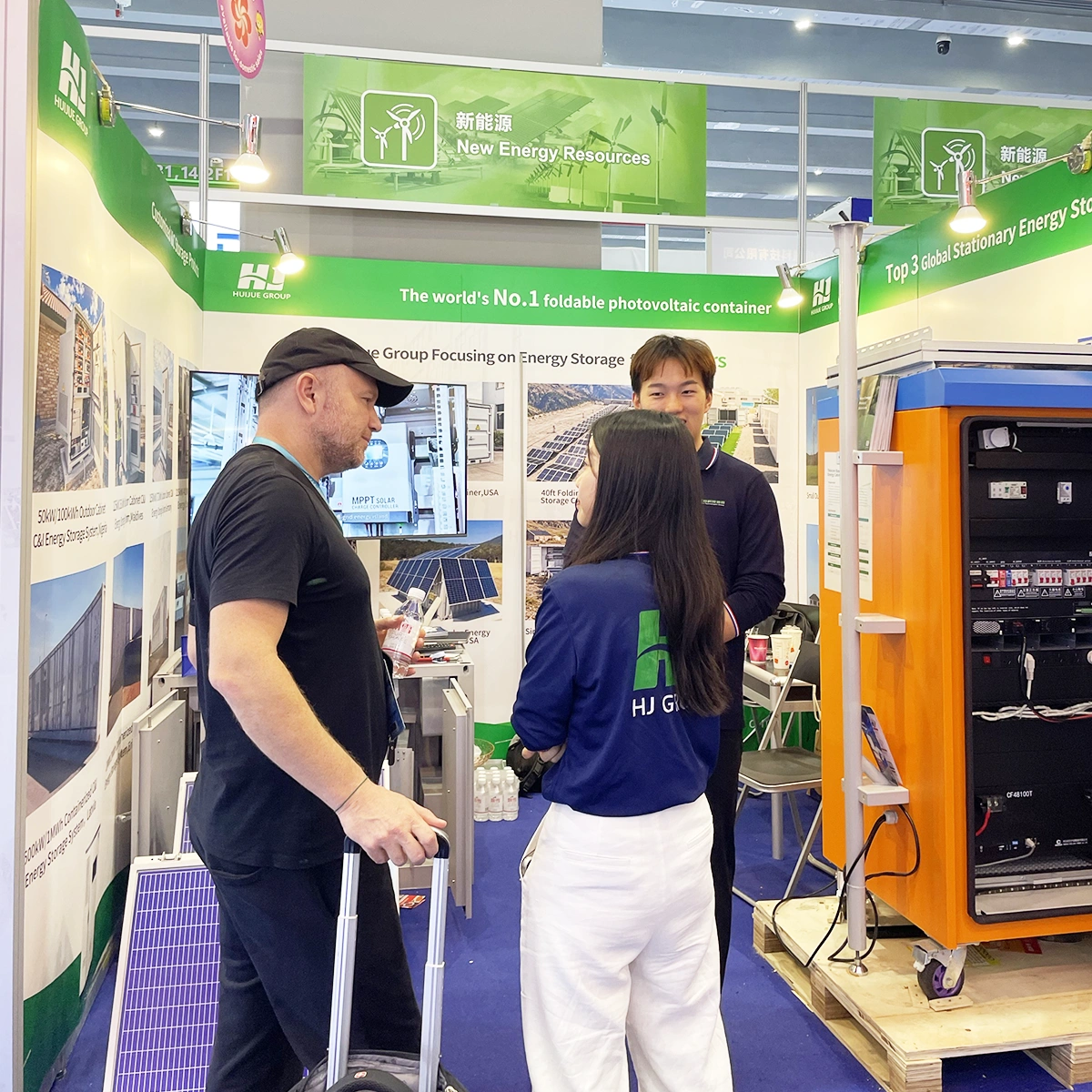
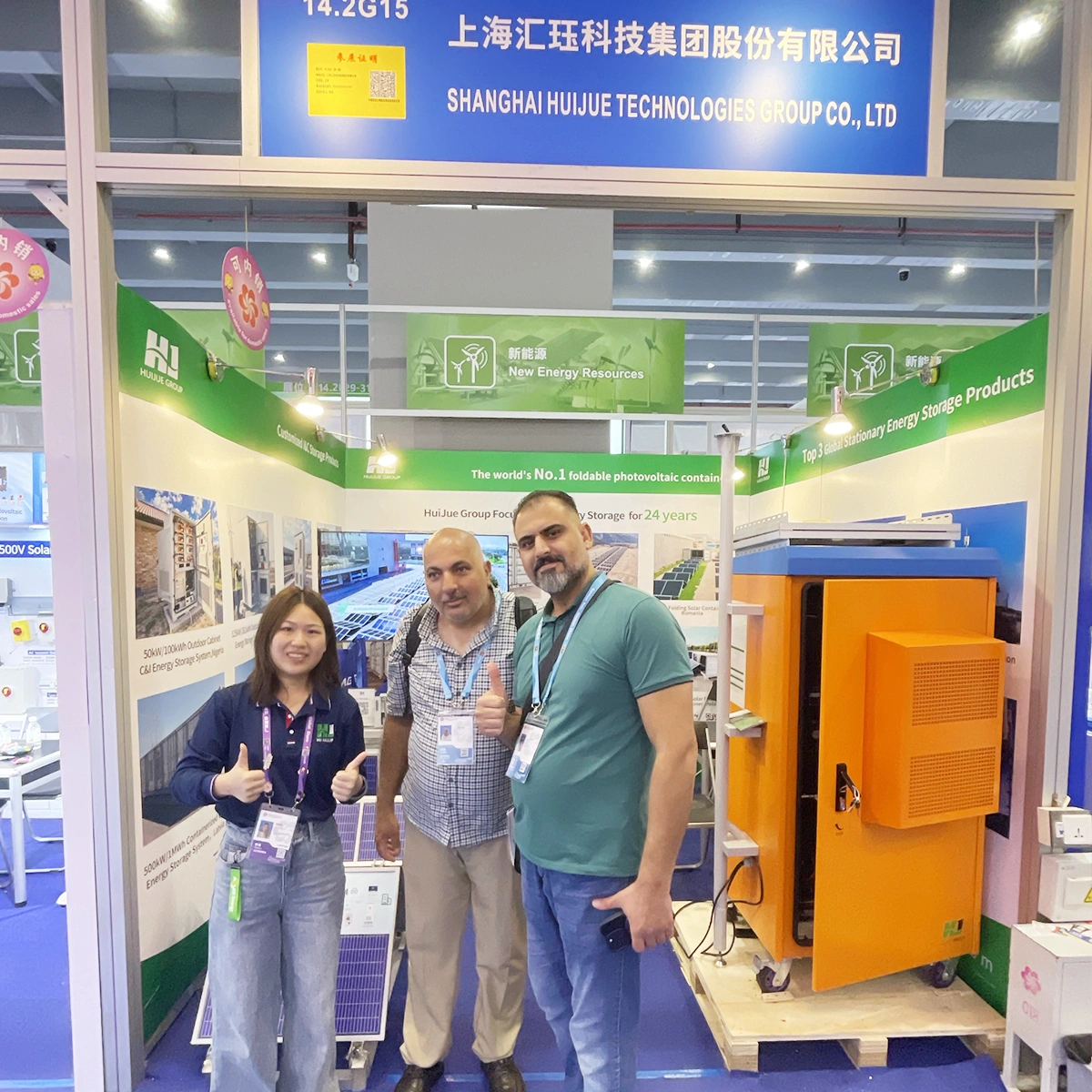
The person in charge of Huijue Technology Group’s exhibition felt this directly: “The questions buyers ask have changed.” In this first phase, the group received more than 256 visiting customers in total, with buyers from 60 countries and regions, and several of them have entered the preliminary cooperation intention stage, involving telecom site energy, PV-storage-charging integrated units, foldable PV storage containers and other commercial and industrial energy storage products.
I. The Change in Purchasing Logic: From “How Much per Set” to “How Long to Pay Back”
A number of exhibitors reported the same change: overseas procurement is shifting from single components and batteries to integrated PV-storage complete solutions, and customers’ focus has extended from price to reliability, scenario fit and long-term service. The buyer structure is changing as well — Africa, Southeast Asia, Latin America and the Middle East markets were active in visits; traditional European and American markets maintained a relatively large purchasing volume, but their requirements for product standards and service capability are higher.
The visitor composition at Huijue Technology’s booth matches this: buyers from Southeast Asian countries such as Indonesia, the Philippines, Thailand, Malaysia and Singapore were concentrated; buyers from Middle Eastern countries such as the UAE, Saudi Arabia, Kuwait, Oman, Jordan, Iraq and Israel all attended; European buyers still mainly made inquiries for commercial and industrial and large-scale storage projects.
The stratification of demand is also clear: the residential scenario looks at household payment ability, electricity price level, outage frequency and subsidy policy; the commercial and industrial scenario calculates the peak-valley price spread, capacity charges, outage losses and investment payback period. This means the space for “one set of products serving all markets” is disappearing, and scenario fit has changed from a bonus item into an admission ticket.
II. Key Products, Each with Its Own “Ledger”
The products Huijue Technology focused on displaying this time correspond to four completely different customer ledgers. The communication at the booth will ultimately land on the same question: if this configuration is placed in my own scenario, how long will it take to earn the money back?
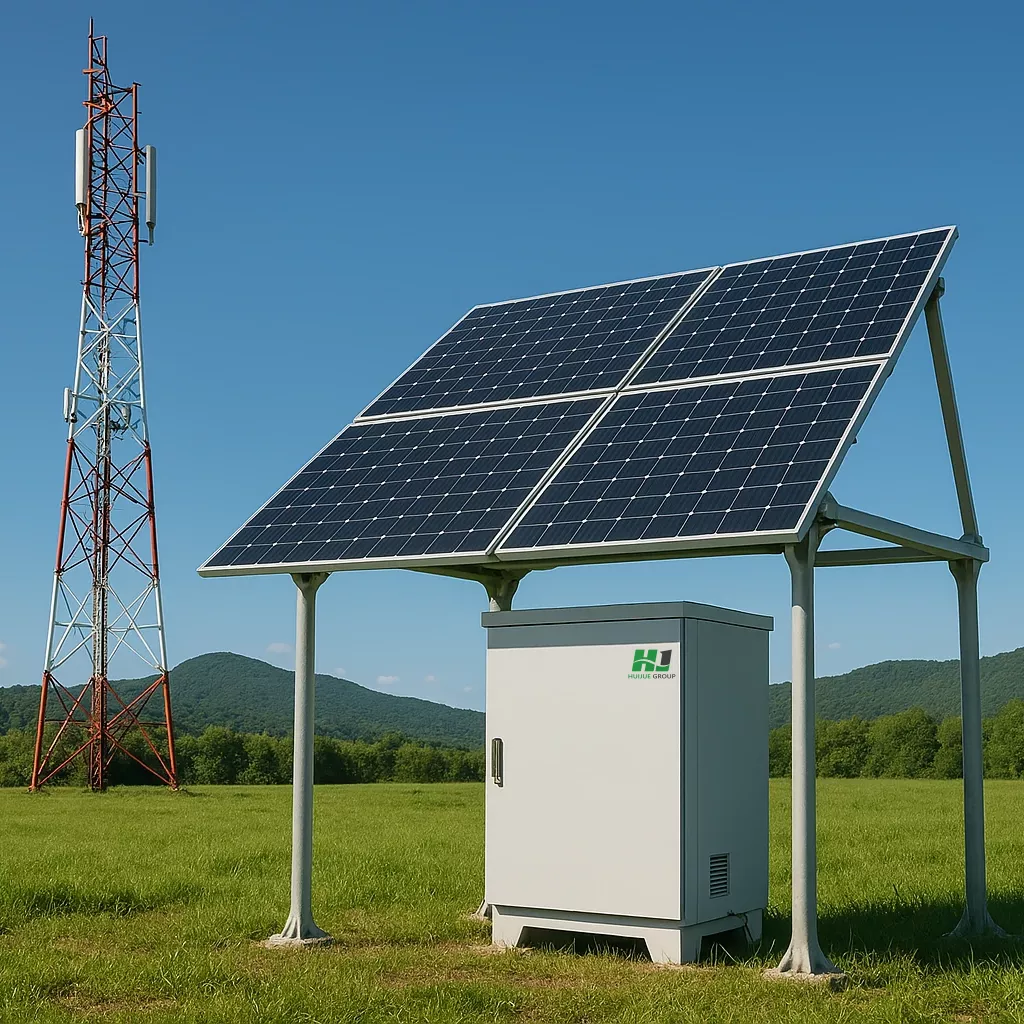
The customers of telecom site energy are operators and tower companies. What they calculate is the O&M cost of the full life cycle; the equipment unit price is secondary — for a remote site, the cost of a single trip up the mountain for inspection may exceed the battery itself. Therefore, whether the product can operate stably in a wide temperature range, whether the cycle life can last the design life, and whether it can be remotely monitored and alarmed directly determine whether this system is an “asset” or a “burden”.
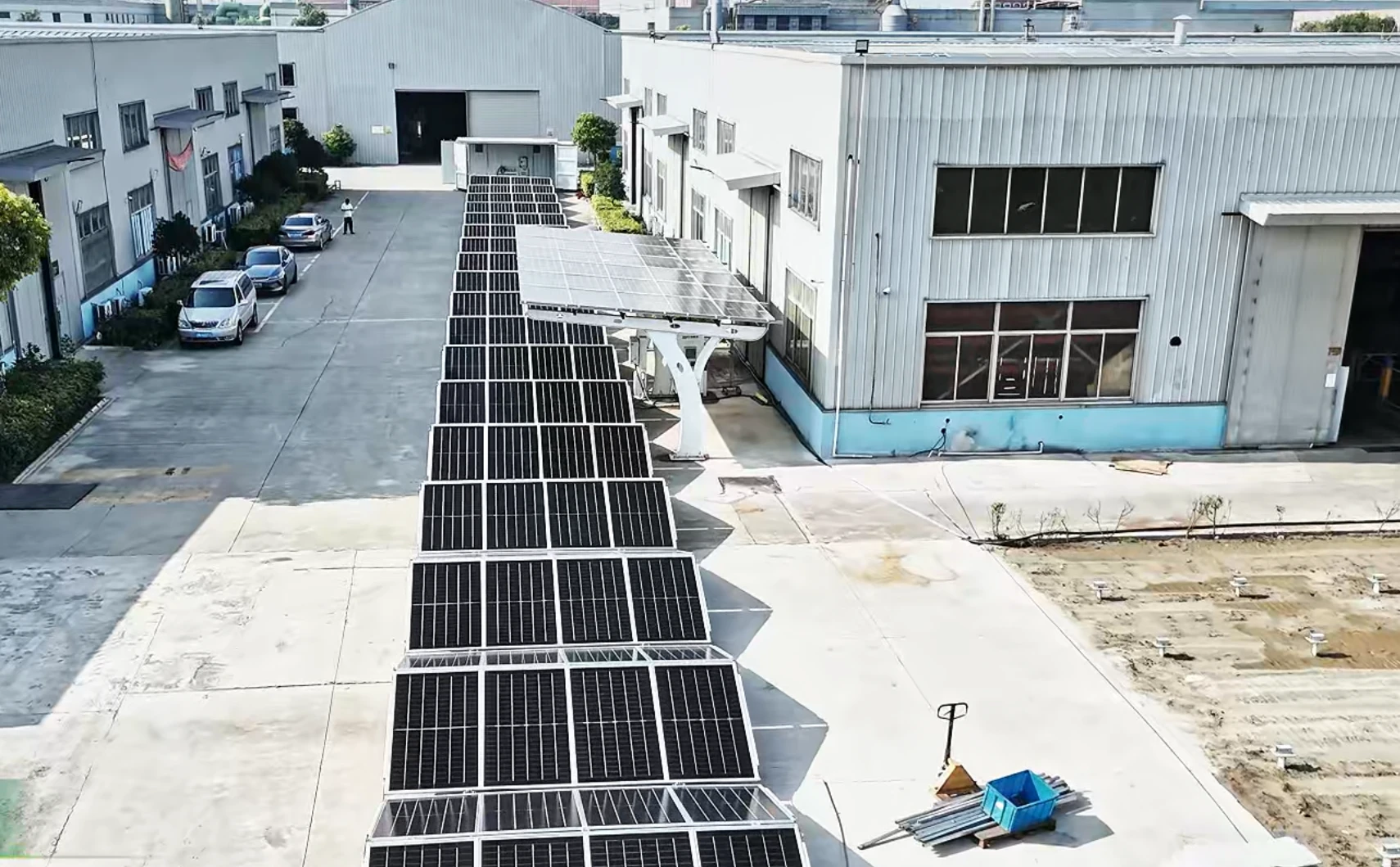
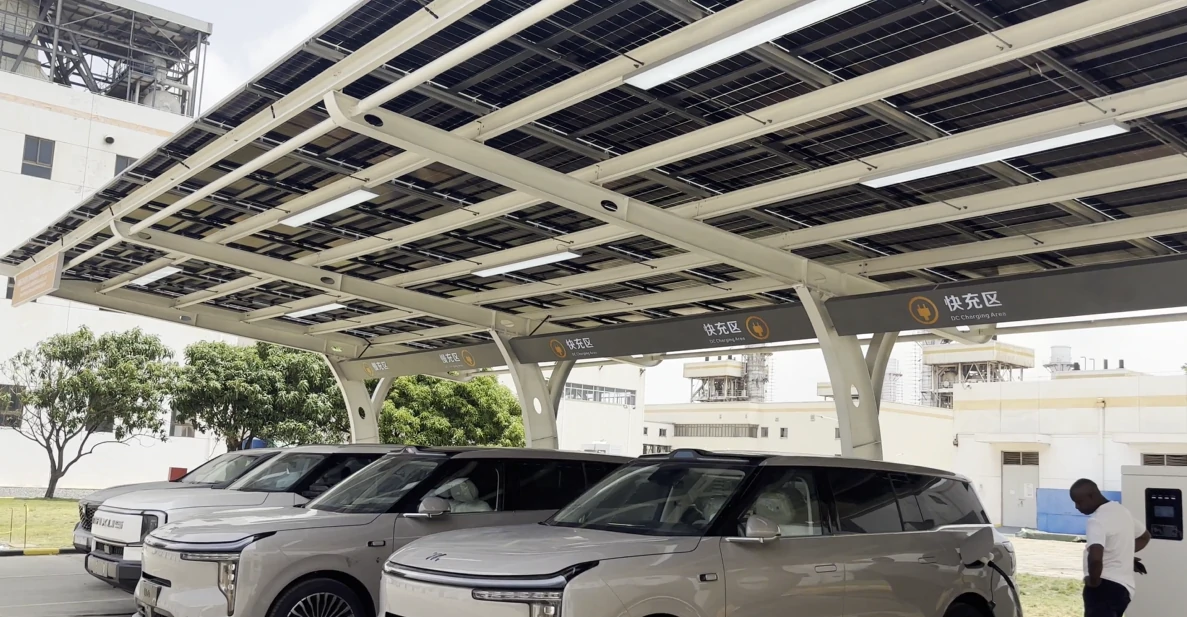
The PV-storage-charging integrated unit is aimed at parks, stations and commercial complexes; customers calculate the investment payback period: how much peak-valley arbitrage can save, how much demand charges can be reduced, and whether the impact of charging load on distribution capacity can be smoothed. This account must be calculated clearly and reliably for the solution to be persuasive.
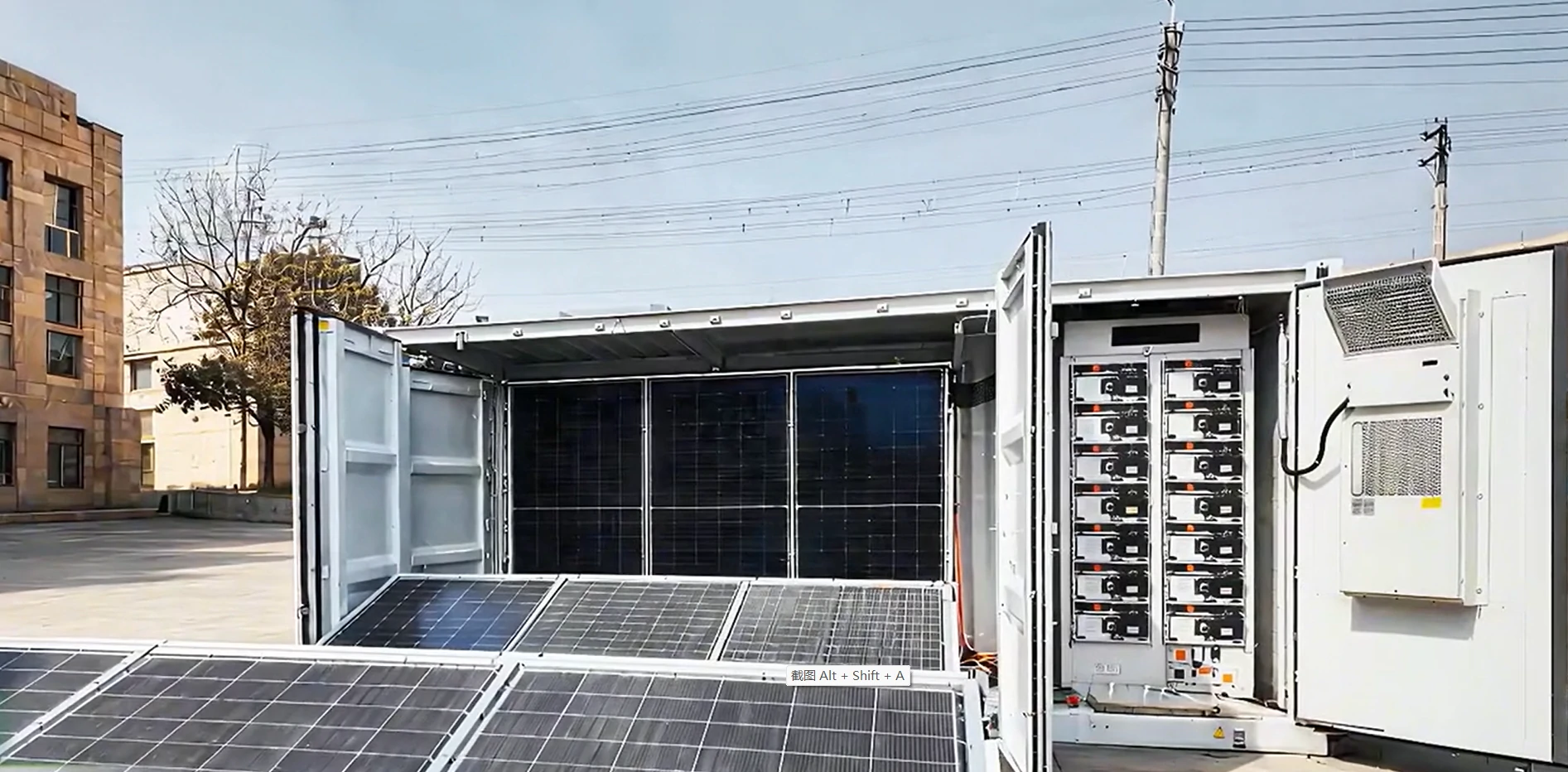
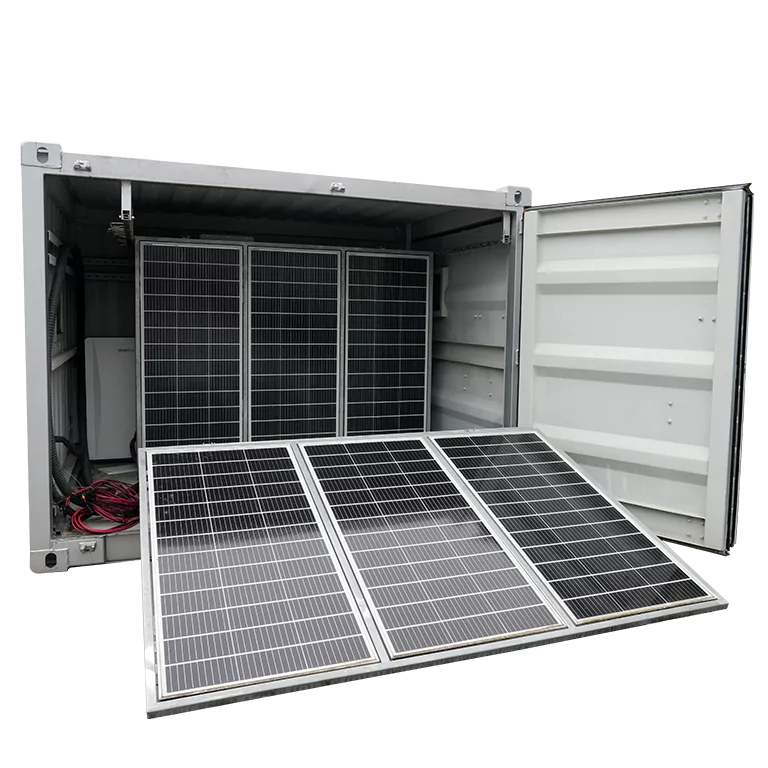
The customers of foldable PV storage containers are in weak-grid and no-grid areas; what they calculate is the deployment cycle and logistics cost. Standard container dimensions, foldable transport, ready to use upon arrival — what is saved is the number of shipping containers, on-site civil works and the months of waiting for grid connection.
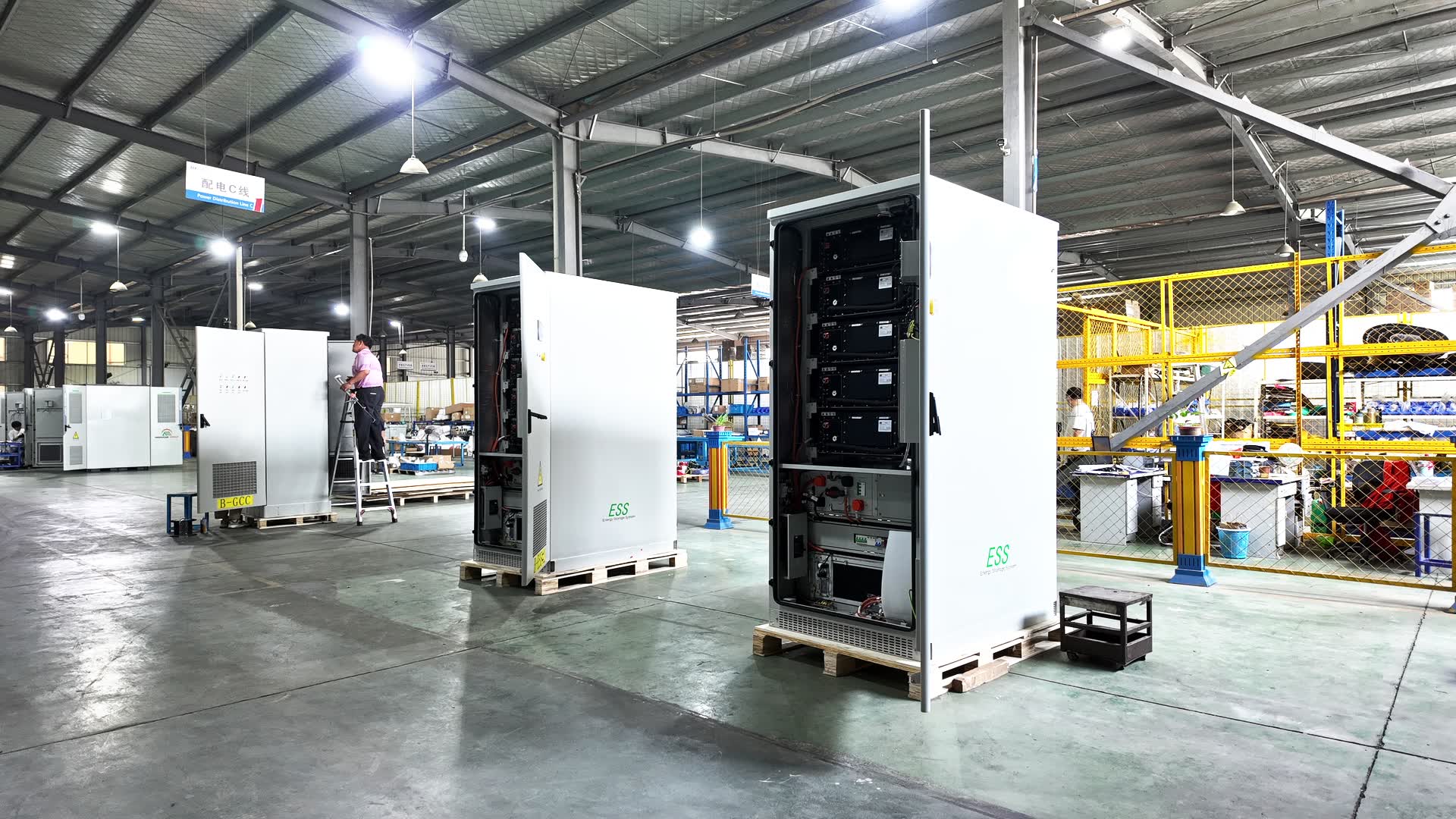
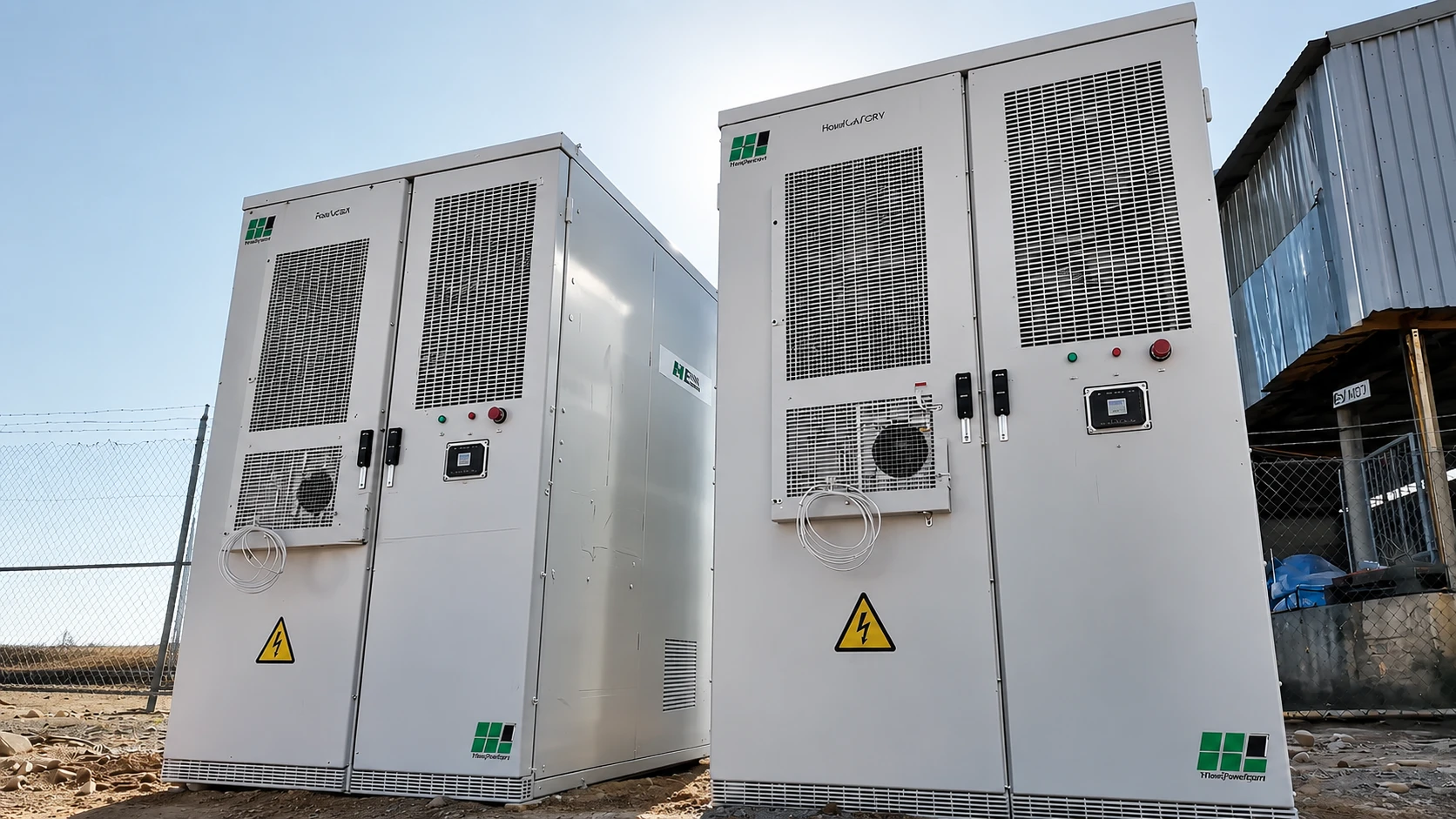
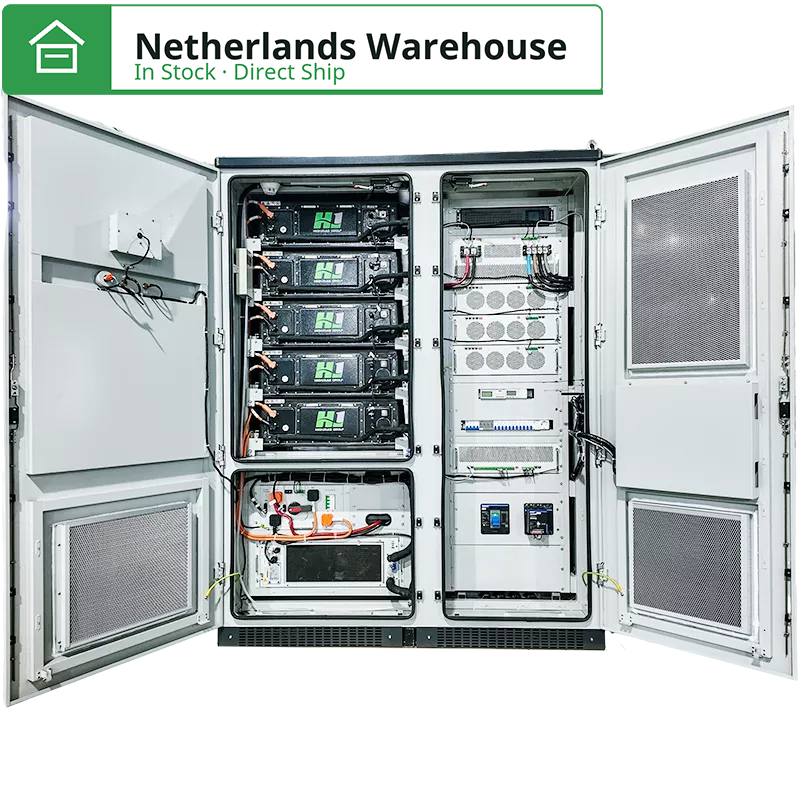
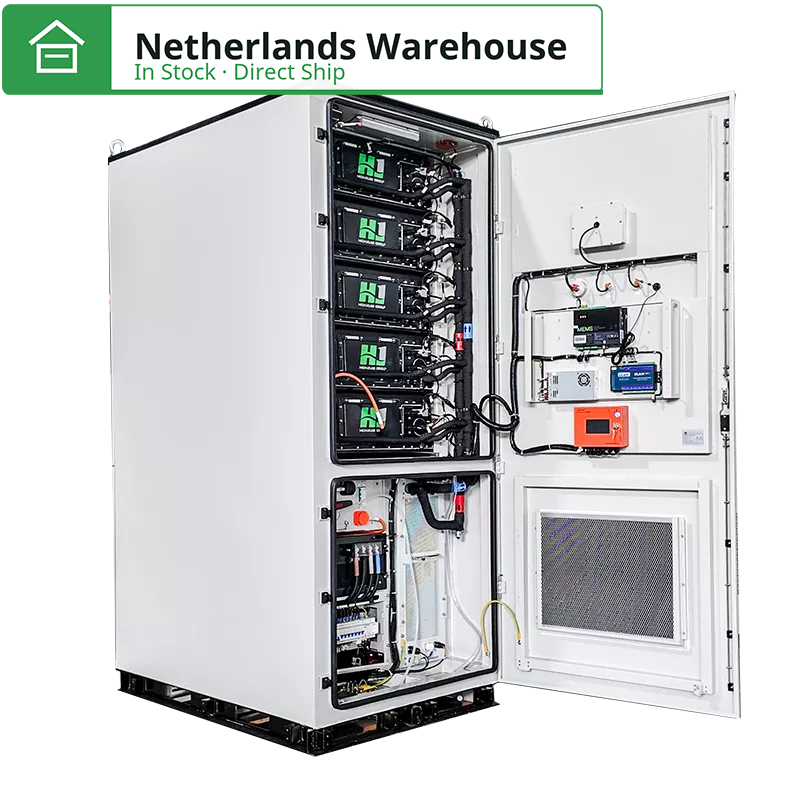
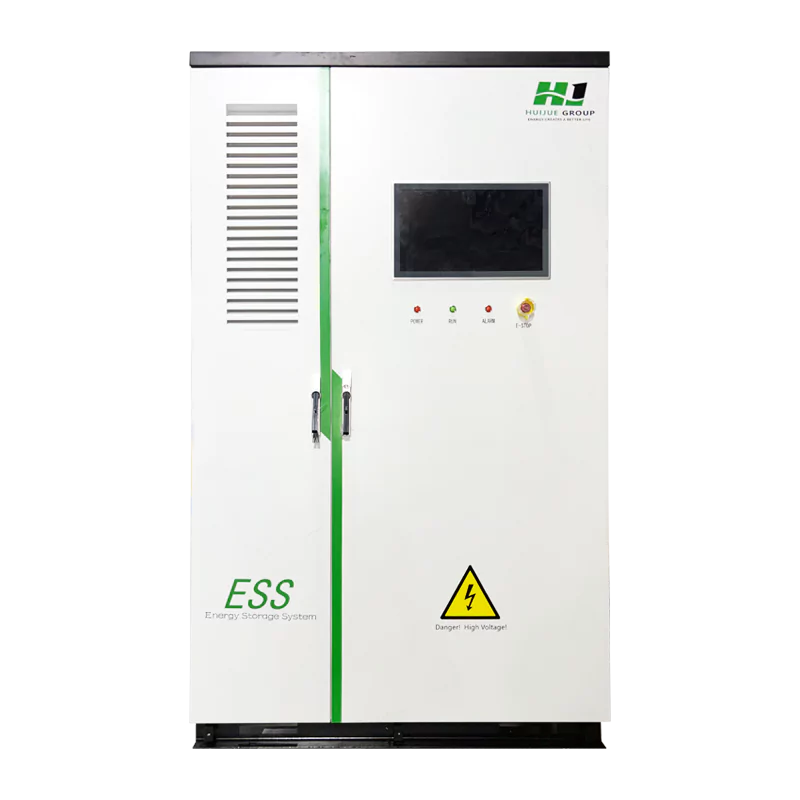
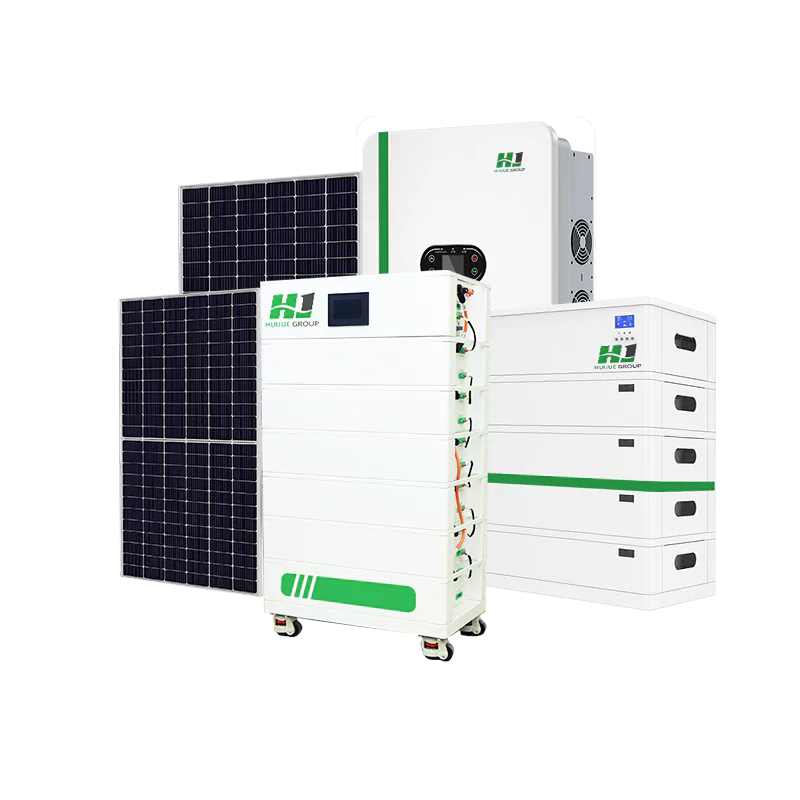
Other commercial and industrial energy storage is the liquid-cooled energy storage cabinet series for parks, factories and commercial buildings, corresponding to a purer demand for peak-valley arbitrage and demand management. Such customers often already have rooftop PV or limited distribution capacity, and what they need is a configuration path that “adds no load and only reduces electricity bills”.
The product lines seem scattered, but underneath they are the same set of capabilities: power electronics design, thermal management, EMS energy dispatch, system integration and remote O&M. The starting point of this capability must be traced back to a judgment made ten years ago.
In 2016, Huijue Technology proposed the dual-wheel-drive development strategy of “telecom equipment intelligent manufacturing + energy storage system integration”. At that time, energy storage did not yet have its own national industrial policy, and the country’s first energy storage industry guidance would not be issued until 2017; by the end of 2016, the country’s cumulative installed electrochemical energy storage was only 243 MW, accounting for less than 1% of total installed power storage capacity. What supported this decision was, rather than a bet on the market trend, an engineering judgment — the power supply demand of telecom sites and the energy management demand of energy storage systems are essentially the same problem: how to supply power stably in limited space and an uncertain environment.
Over the ten years, this judgment has been gradually verified. The telecom equipment business has accumulated engineering capabilities such as wide-temperature-range adaptation, remote monitoring and high-reliability design; on this basis, the energy storage business has grown capabilities in cell-to-pack assembly, liquid-cooling thermal management, EMS scheduling and system integration. The two lines feed each other, enabling the company to complete the leap from single equipment supply to “equipment + system + O&M” overall solution output. At this Canton Fair, the above products received inquiries at the same time, which is precisely the external confirmation of this capability structure.
III. A Sober Boundary: Do Not Chase General Contracting; Be the Core Hardware in the Solution
For going global, the industry already has a calm reminder: PV-storage coordination is an important carrier for enterprises to turn toward solutions, but it does not mean the transformation is automatically completed. An integrated solution also needs supporting system design, grid adaptation, energy management software, installation guidance and O&M services; some projects even require financing arrangements. Equipment manufacturers do not have to pursue general contracting single-mindedly; they can cooperate with overseas engineering general contractors and local service providers to become the core hardware supplier in the solution.
Huijue Technology chose the latter. The company’s approach can be summarized as three “front-loadings”: certification front-loading — completing the target market’s access certification and adaptation testing before the project starts; spare parts front-loading — building spare parts reserves with partners in key regions; capability front-loading — providing training and technical support for local installation and service teams. Rather than promising general contracting it cannot deliver, it would rather draw the boundary clearly.
The difficulties also need to be stated clearly. Overseas projects usually need to go through export certification, testing and local regulatory adaptation; some projects may take half a year to a year from contact to landing; new systems such as sodium-ion are constrained by the large-scale supply of upstream materials, and their cost advantage has not yet been fully released. Opportunities and thresholds exist at the same time — this is the common situation of all companies going global.
IV. 70 Years of Canton Fair: From “Doing Business” to “Making Friends”
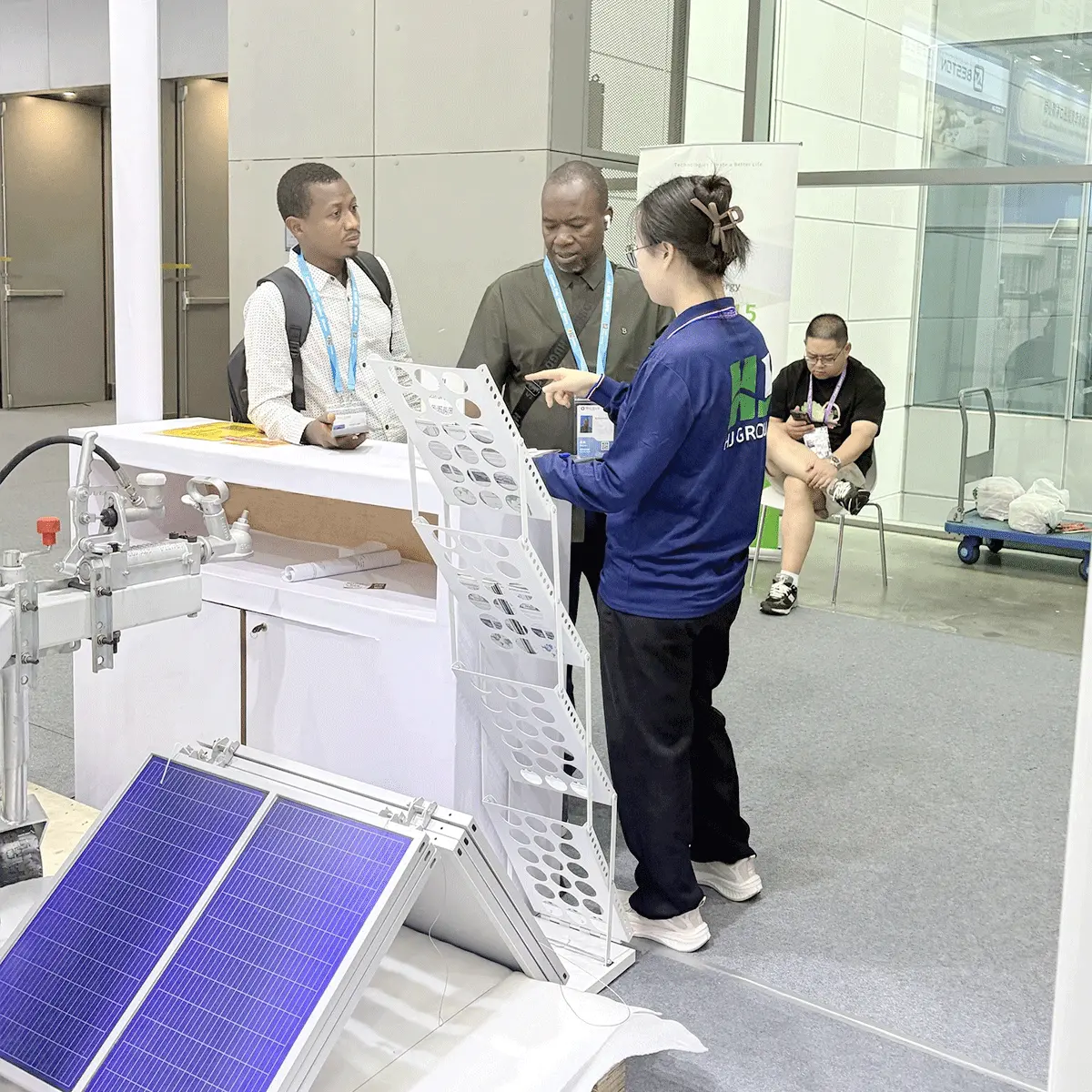
70 years and 140 sessions have never been interrupted; what the Canton Fair has deposited is not only orders, but also a trade relationship of “partnership” and “companionship”. A Saudi buyer once described a supplier he met at the Canton Fair this way: more than 10 years of cooperation; initially just a single shipment of goods, now they develop new products together and explore markets together.
Huijue Technology’s connection with the Canton Fair has also lasted 4 sessions: it first exhibited at the 137th session in 2025, and by this session it is already the fourth visit. The two years happen to overlap with this group of buyers’ process from first inquiry to solution discussion.
It is worth mentioning that at this Canton Fair, “new energy storage” was for the first time written into the “new quality productive forces” display high ground, and green products accounted for 26%, a record high. When the dual-wheel-drive strategy was proposed ten years ago, energy storage was still a demonstration project in the power system; ten years later, it has become one of the most crowded exhibition areas in the halls.
From “how much per set” to “how long to pay back”, the change in the way of asking has already explained the direction. In the second half of energy storage, what is competed is not the quotation sheet, but who can truly make the solution run on the customer’s grid.